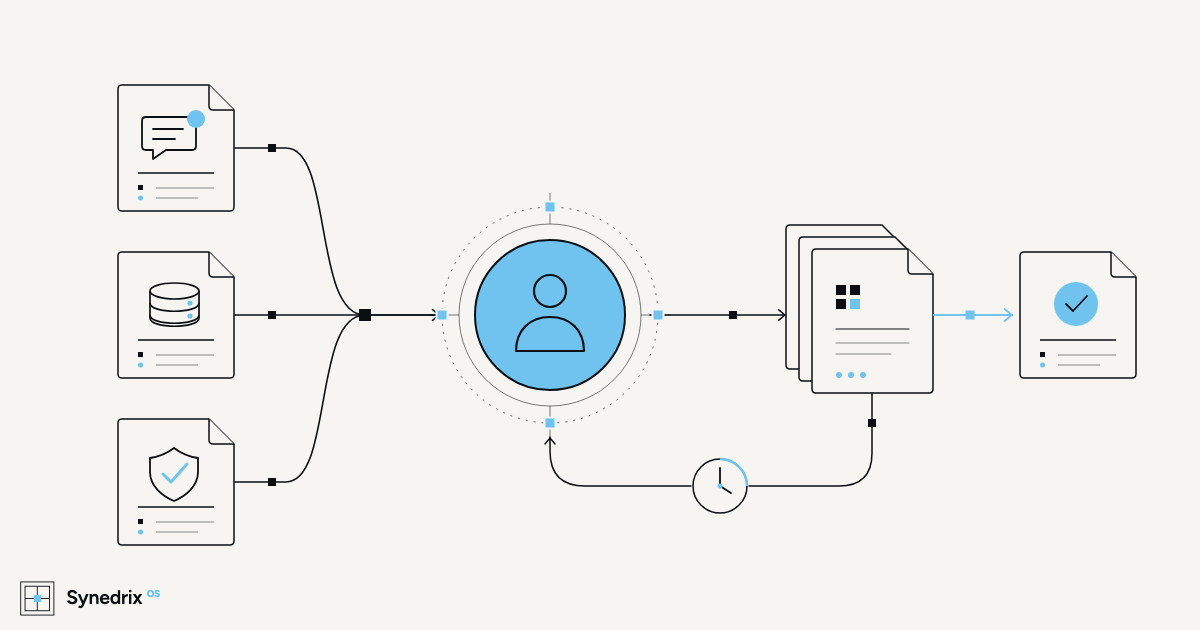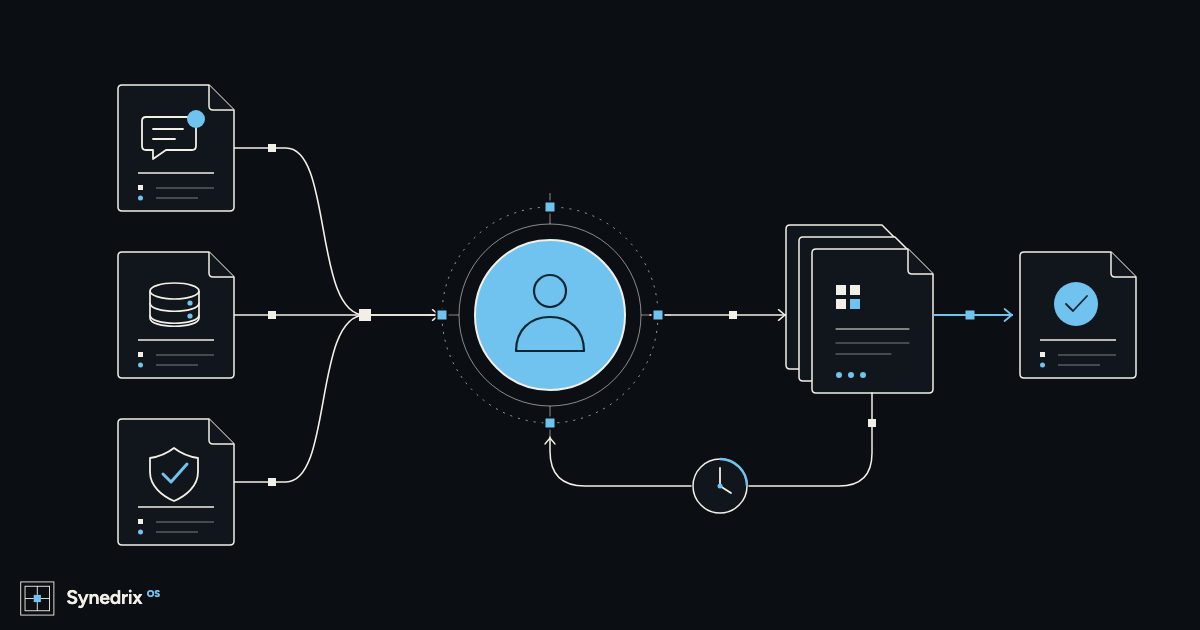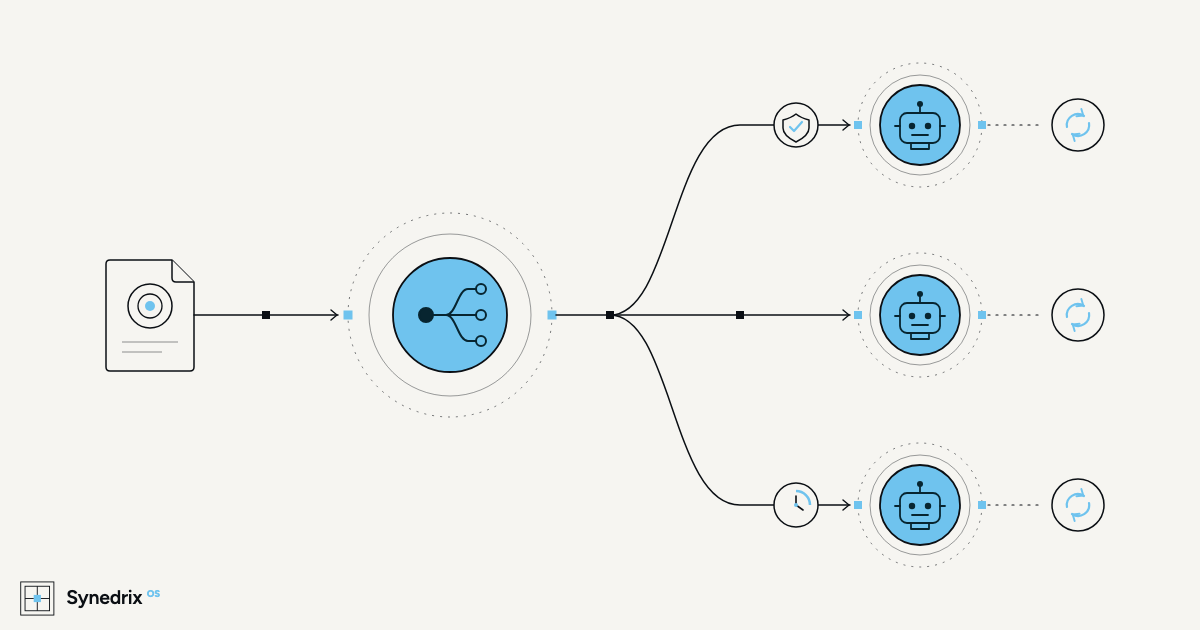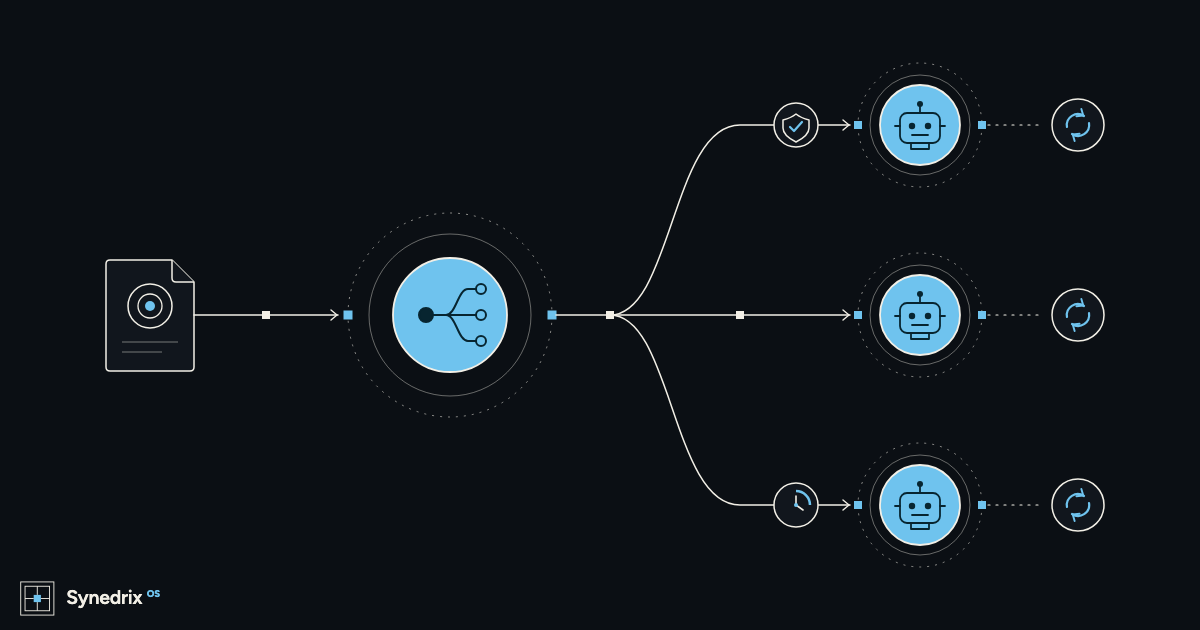
An AI assistant can help someone finish a proposal sooner. It can organise notes, prepare a first draft, and help check that the document answers the customer's questions. Those are useful improvements. The proposal may still wait for a pricing decision, a contract review, and someone authorised to send it.
That gap matters when deciding what an AI investment is meant to improve. A shorter drafting task and a shorter sales process are different outcomes. They can improve together, but the connection needs to be established rather than assumed.
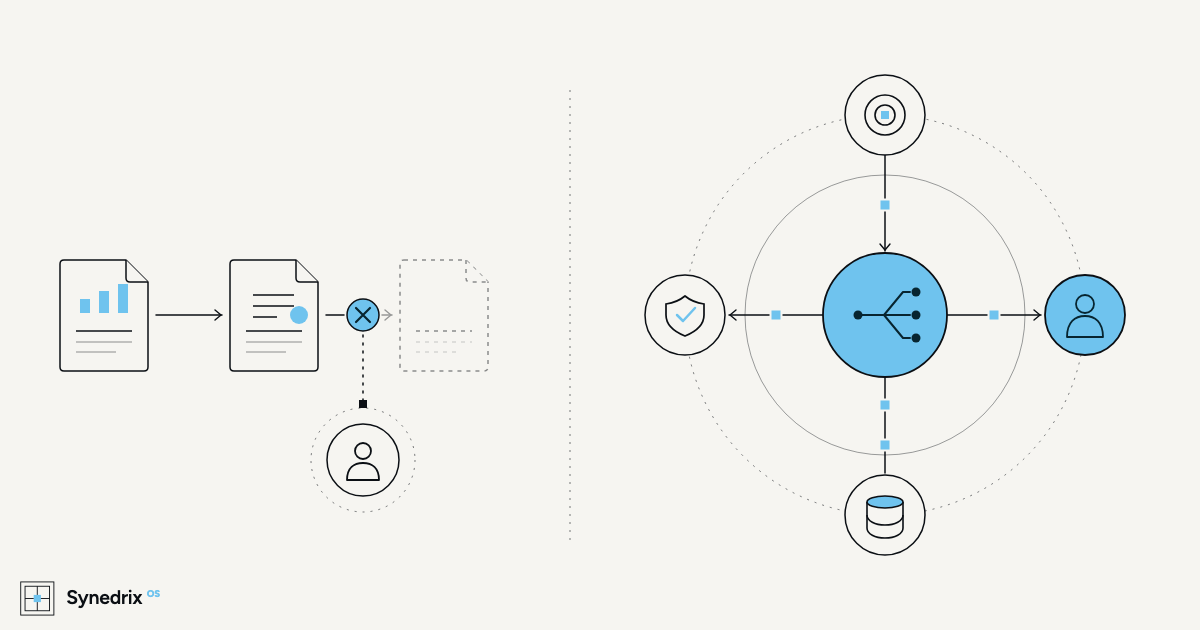
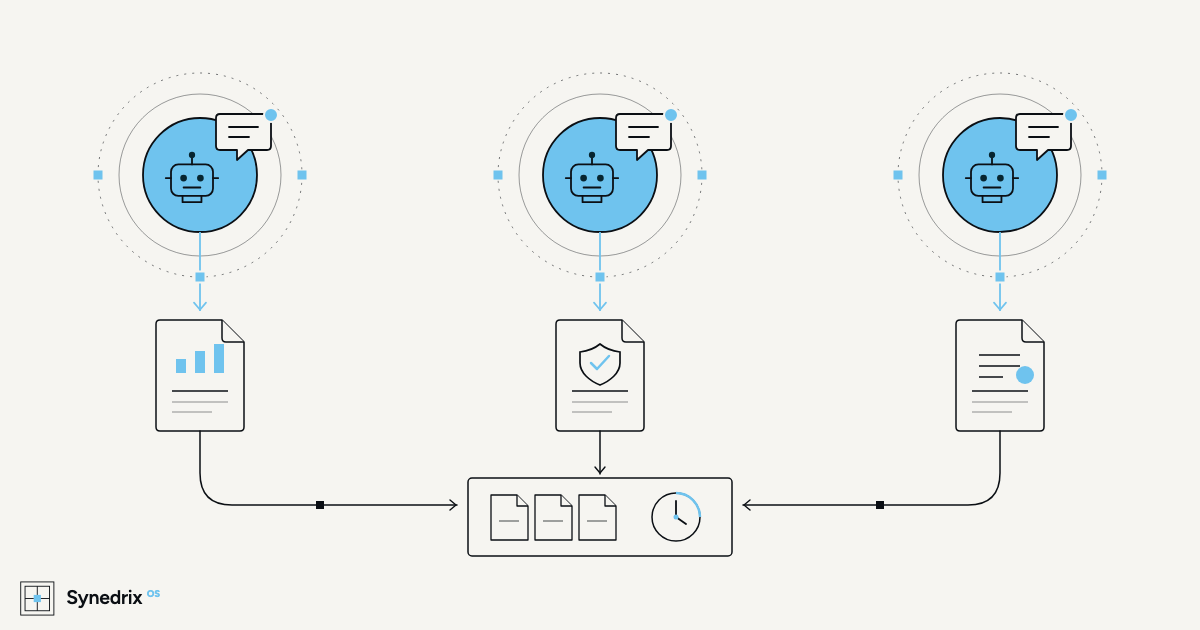
Adding an assistant does not, by itself, define how work passes between people, systems, and decisions. An assistant can participate in that process and may handle several steps. The organisation still needs to decide what those steps are, who owns them, what information moves between them, and how completion is checked. The coordination problem lives in those relationships.
Follow the proposal beyond the draft
Consider an illustrative proposal that includes a discount and a delivery commitment. The account manager uses an assistant to assemble the draft from meeting notes and product information. The document is ready sooner, and the account manager has more time to check it. At that point, a local productivity improvement has been achieved.
Finance still needs to assess the discount. Operations needs to confirm the proposed delivery date. Legal needs to review the terms. Their decisions depend on different facts, and one answer can change another. A delivery constraint might alter the offer the account manager recommends, which could require Finance to reconsider the price.
If the draft arrives without a clear request, the reviewers must first work out what they are being asked to decide. If they receive different versions, someone must reconcile their answers. If a reviewer changes a condition, that condition needs to reach the final proposal. The time saved in preparation does not automatically remove any of this work.
The account manager may continue to manage it manually, using the assistant to write messages and summarise replies. That can still save time. It also leaves the manager responsible for knowing who has responded, which answer is current, and whether all conditions have been met before sending.
A complete draft is evidence that one task is finished; the business outcome depends on what follows. In this example, completion means sending an authorised proposal with a price, delivery commitment, and terms the business has agreed to support. Measuring the draft alone leaves most of that outcome outside the assessment.
Shared work needs shared responsibilities
A coordinated process starts with a clear description of the intended result. The proposal needs more than a request to prepare a document. It needs an account of the customer requirement, the decisions required before sending, and the conditions that would make the offer acceptable.
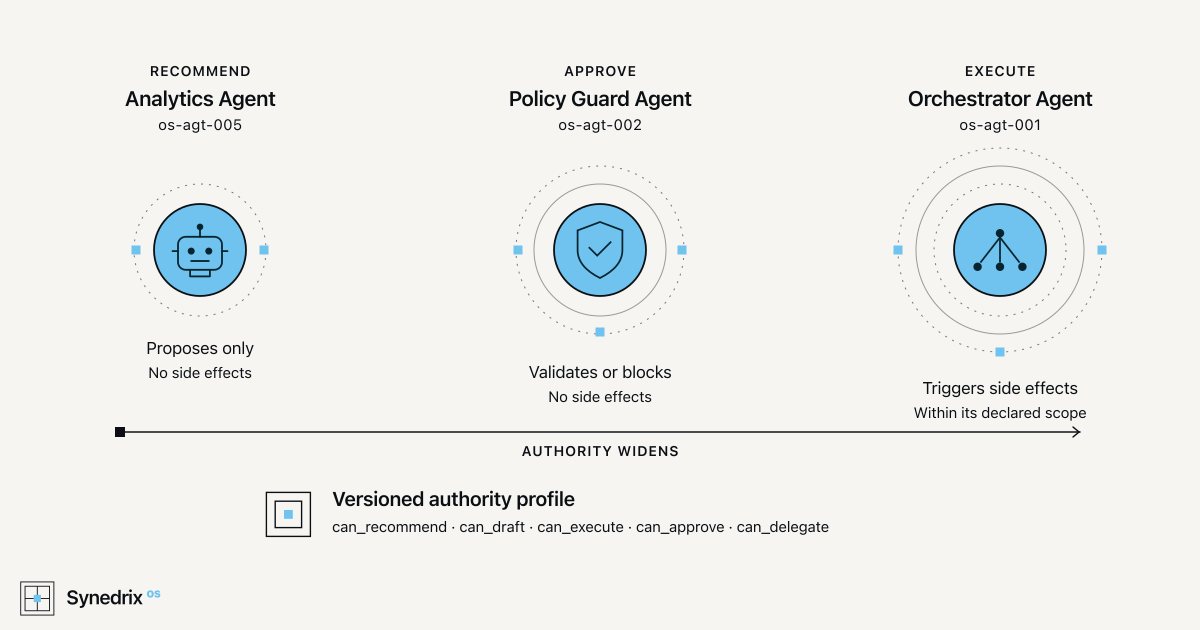
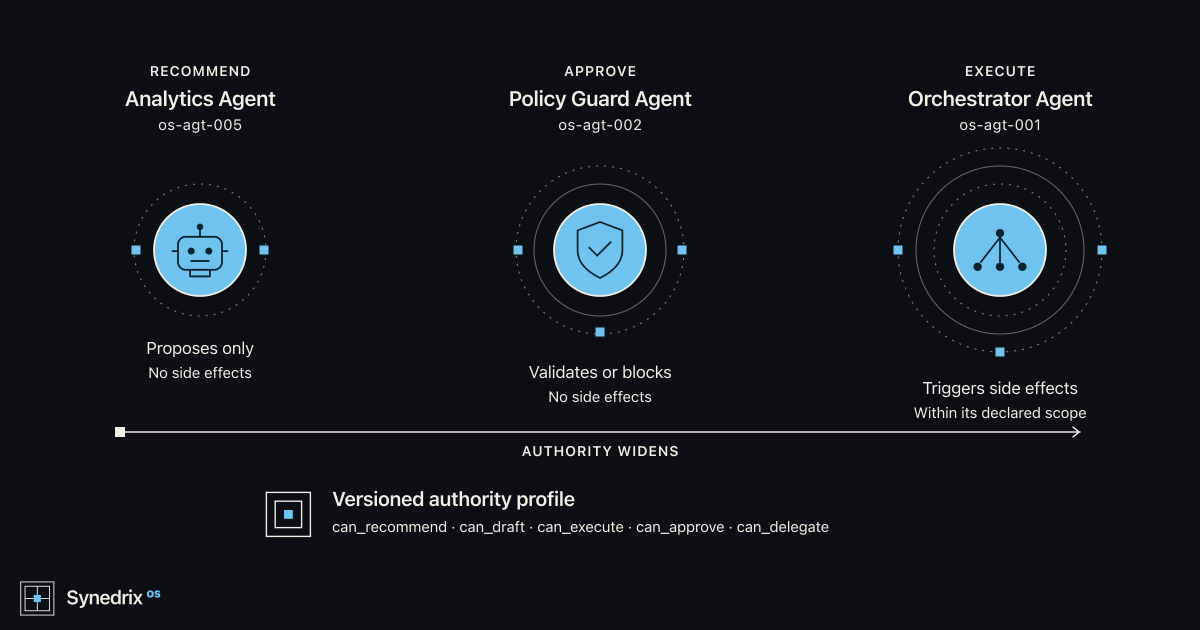
Each task then needs an owner with enough information to do it. Finance can assess the proposed discount without becoming responsible for the delivery promise. Operations can confirm capacity without gaining authority to change the contract. Keeping those responsibilities clear makes it easier to understand a later disagreement or failure.
The process also needs to record progress in a form the next participant can use. A note saying that Finance has reviewed the proposal is incomplete if Finance approved a different amount. The result must identify what was reviewed and the conditions attached to the answer. A later participant should be able to establish whether that answer still applies.
When information is missing, the request needs a route back to someone who can supply it. When a decision exceeds the current person's authority, it needs to reach someone who can decide. These are ordinary business requirements, but they often remain informal when an assistant is introduced around an individual's existing work.
An assistant can support these responsibilities when they are designed into its role and connected to the wider process. The important distinction is between giving a person a useful tool and establishing a reliable way for several participants to complete work together. Buying the former does not settle the latter.
Separate conversations can keep context separate
The account manager's assistant may know why the customer requested the discount. Finance's assistant may know the margin assumptions. Legal's assistant may have helped review an earlier version of the terms. Useful information now exists in several conversations, alongside the records already spread across business systems.
A generated summary can help carry that information. It can also omit a condition or flatten a disagreement. If Legal approved one clause subject to a particular restriction, a summary saying that Legal approved the proposal is insufficient. The next person needs the restriction and a way to check the decision it came from.
Shared access to documents helps, but access alone leaves questions about meaning. Which proposal is current? Does the earlier approval cover the revised delivery date? Has a customer request been confirmed, or is it still an assumption from the account manager's notes? The process needs to preserve these distinctions as work moves.
There is also a limit to what should be shared. Operations needs enough commercial context to assess a commitment, while some financial or customer information may be outside its task. Connecting assistants should preserve those restrictions. Copying every conversation into one place can spread sensitive information without resolving responsibility.
Shared context must make the relevant facts and decisions usable for the next task. That requires attention to source, version, and access, as well as the text of a summary. An organisation should evaluate whether the next participant can act correctly from what they receive, rather than counting how much information the assistants exchanged.
Exceptions reveal who owns the process
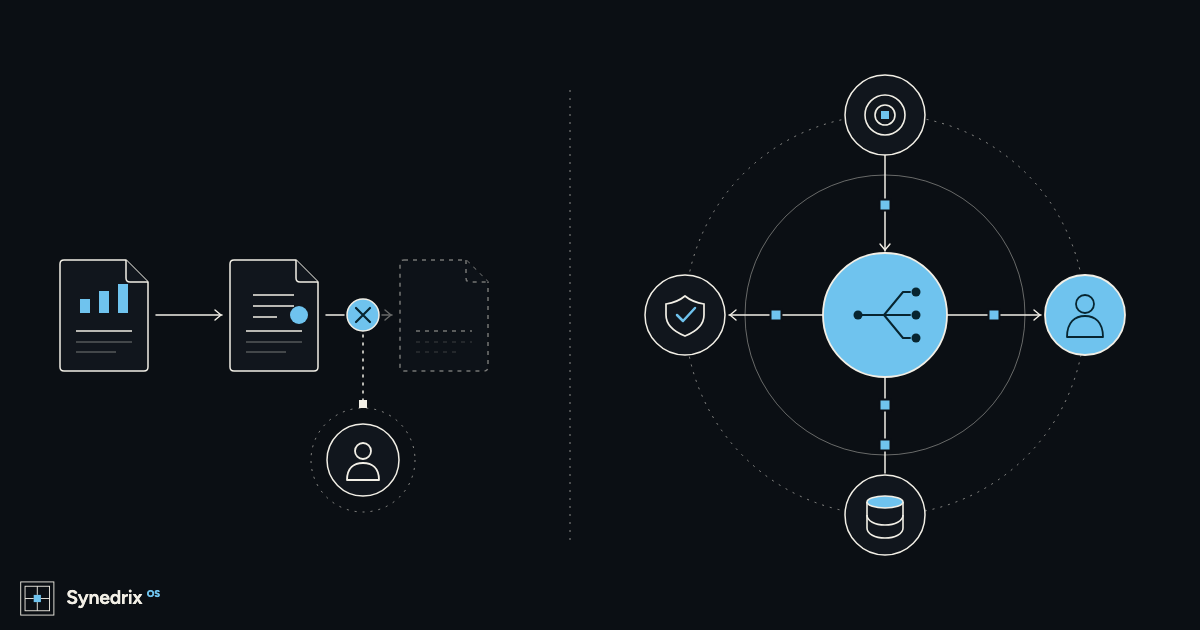
A straightforward proposal may pass through review without difficulty. The more revealing case is one that stops halfway. Finance has approved the discount, Operations has not responded, and the customer asks for a different delivery date. Someone now has to establish which earlier decisions remain valid and what needs another review.
A prompt telling an assistant to complete the proposal leaves too much unresolved. Does it wait, ask for help, or submit the document with an assumption? Who is responsible for the missing answer? A useful process defines the response before this situation becomes an urgent request to the account manager.
Failures after an external action need particular care. Suppose the final submission is sent, but the sender receives no confirmation. Repeating it immediately might create a duplicate. Assuming it failed might leave the customer without a response. The next action should depend on checking what happened and following an agreed recovery path.
This is why coordination includes responsibility for uncertainty. The process must distinguish work that is waiting, work that failed, and work whose result is still unknown. An assistant's confident description of success cannot settle the status of an action in another system. The relevant record needs to be checked.
The same evidence helps afterwards. If the customer receives an offer with the wrong terms, the review needs to follow the draft, the approvals, the final version, and the submission. That makes it possible to locate the mistake and change the responsible step. A conversation with one participant provides only part of the account.
Measure the outcome alongside the local gain
The value of an assistant should be assessed fairly. If it reduces the effort needed to prepare a sound draft, that benefit deserves recognition. Requiring every tool to redesign the whole organisation would set the wrong standard. The problem begins when a local result is used to claim that the wider process has improved.
For the proposal, compare drafting effort with the time from customer request to authorised submission. Examine how often reviewers return the request for missing information, how much work is repeated, and whether the final proposal preserves the approved conditions. Those observations connect the individual tasks to the outcome they serve.
A faster drafting stage may reveal a review queue that was previously less visible. That is useful information about the next constraint. It does not mean the assistant failed, and it does not establish that another assistant will remove the queue. The review may need clearer ownership, better preparation, or a different schedule.
Quality matters alongside speed. A process that submits earlier by omitting a necessary check has changed the risk as well as the elapsed time. A process that helps the reviewer reach a sound decision sooner has improved the work more meaningfully. The assessment needs enough detail to distinguish those cases.
A useful trial can compare similar proposals before and after the change, while recording differences in complexity and review requirements. A routine renewal and an unfamiliar contract should not be treated as equivalent cases. The aim is to understand where the assistant contributes and where the process still depends on someone filling a gap. That evidence supports a more precise next investment than a count of generated documents. It also gives the teams doing the reviews a chance to identify whether faster preparation has made their own work easier.
Start with one outcome that crosses several responsibilities and describe what must happen after each task finishes. An assistant can then receive a clear role within that process, and its contribution can be checked against the result. The next post, From static workflows to agentic operating systems, examines the kind of system needed to carry that coordination across the whole path from a business goal to completed work.
Related reading
- The coordination debt that's quietly costing enterprises their edge — explains the repeated translation work that assistants can leave between teams.
- Next in the series: From static workflows to agentic operating systems — develops the case for coordinating the full path from intent to outcome.
Documentation
- Agentic Enterprise Manifesto Outline: the coordination problem and the responsibilities people retain in a different operating model.
- Technical Platform Thesis: the design requirements for connected work, shared context, approvals, and a traceable result.
Synedrix OS — human middleware